

Regional Migration Training Centre
Regionalni centar za obuku u oblasti migracija: Jačanje regionalnih kapaciteta kroz projekat MIRKO
U okviru projekta „Jačanje regionalne saradnje u oblasti upravljanja migracijama između Zapadnog Balkana i susednih država članica EU u skladu sa pravnim tekovinama EU i međunarodnim standardima – MIRKO“, Centar za obuku u oblasti migracija Komesarijata za izbeglice i migracije je dobio značajnu podršku za unapređenje svojih aktivnosti izgradnje kapaciteta u regionu Zapadnog Balkana.
About the Migration Training Centre
The migration management and mixed migration flows, involving various categories of migrants, created the need to establish a Migration Training Centre that would consolidate, systematize, and make available in one place all trainings and relevant information covering all areas of migration flows we face today.
The Migration Training Centre was established in accordance with Article 13 of the Law on Migration Management, which stipulates that the Commissariat for Refugees and Migration is responsible for providing training and capacity-building for individuals working in the field of migration management.
To maintain the quality of services provided to different categories of migrants, it is essential to ensure a continuous supply of qualified personnel. Training Centre Plandiste institutionalizes knowledge transfer and training through the development of tailored training modules and cooperation with competent authorities, local governments, organizations, universities, and institutions both in Serbia and abroad.
The Commissariat for Refugees and Migration, as the institution responsible for implementing the Law on Migration Management, possesses the staff, knowledge, experience, capacity, and mechanisms to transfer that knowledge to others. Over the past years, cooperation has been established with other competent authorities, international organizations, civil society organizations, the academic community, and experts from Serbia and the region who have participated in the development and implementation of training sessions and relevant events, thereby improving the quality of available trainings and information.
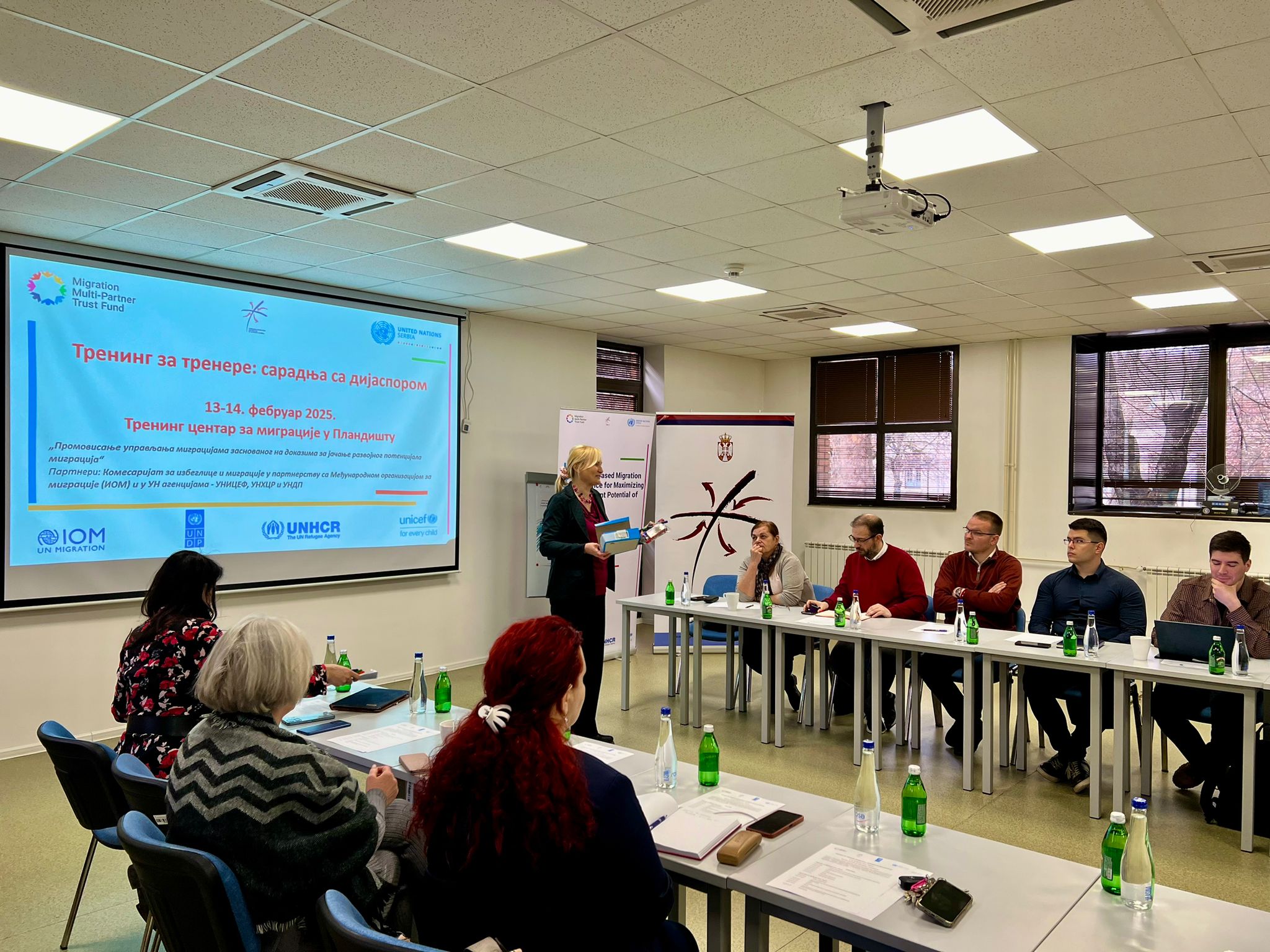
Upravljanje migracijama i mešoviti migracioni tokovi u kojima učestvuju različite kategorije migranata stvorili su potrebu da se uspostavi Trening centar za migracije koji će na jednom mestu objediniti, sistematizovati i učiniti dostupnim obuke i relevantne informacije koje pokrivaju sve oblasti migracionih tokova sa kojima se danas suočavamo.
Trening centar za migracije uspostavljen je u skladu sa članom 13. Zakona o upravljanju migracijama kojim je propisano da Komesarijat za izbeglice i migracije treba da obezbedi obuku i osposobljavanje za lica koja rade u oblasti upravljanja migracijama.
Da bi se održao kvalitet usluga koje se pružaju različitim kategorijama migranata, potrebno je u kontinuitetu obezbediti dovoljan broj kvalifikovanih radno angažovanih lica. Trening centar Plandište na institucionalizovan način stvara uslove za prenošenje znanja i obučavanje kroz razvoj prilagođenih trening modula i uspostavljanje saradnje sa nadležnim organima, jedinicama lokalne samouprave, organizacijama, univerzitetima i institucijama u zemlji i u inostranstvu.
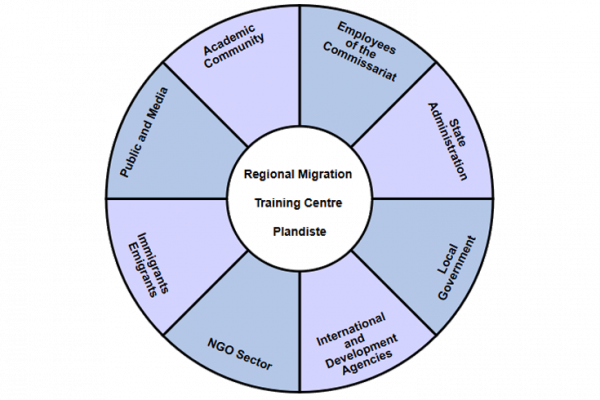
Today, Training Centre Plandiste provides significant support to staff who come into contact with various categories of migrants, as well as to other stakeholders—academic institutions, researchers, the media, and others interested in the field of migration.
Thanks to the improved capacities of the Migration Training Centre and enhanced regional cooperation, trainings in the field of migration management have become available throughout the region.
By sharing experiences, strengthening cooperation, and involving leading global and regional experts, conditions are being created to improve migration management practices in the region and beyond through specialized trainings and relevant events.
The Migration Training Centre was established as part of the project “Support to the Improvement of Migration and Asylum Management in Serbia,” implemented by the International Organization for Migration (IOM) with support from the British Embassy from 2017 to 2019. The project supported the Commissariat for Refugees and Migration in the initial phase of establishing the Training Centre. The goal was to create a sustainable structure capable of providing high-quality trainings, supporting the development of strategic documents and plans, and utilizing modern technologies and applications.
The Migration Training Centre has enabled international recognition of the practices and experience that the Republic of Serbia has developed over the past 30 years in working with refugees, internally displaced persons, asylum seekers, and other categories of migrants—experiences that can be useful in other crisis areas. At the same time, through international cooperation, it has enabled the promotion of good practices and policies present in the region and beyond.
The Commissariat for Refugees and Migration of the Republic of Serbia has been accredited by the National Academy for Public Administration to implement professional development programs in public administration. The accreditation, awarded on January 8, 2025, covers the fields of human rights protection, data confidentiality, and social affairs.
Under this prestigious accreditation, the Commissariat will deliver trainings at the now-accredited Training Centre in Plandiste, enabling professionals engaged in migration management to enhance their knowledge and skills. The trainings are primarily intended for employees in state and local administrations, international organizations, NGOs, and students who wish to expand their knowledge in the field of migration. This accreditation marks a significant step in the continuous improvement of professional capacities in the fields of migration and human rights protection, contributing to the strengthening of professional standards in public administration.
Digital Regional Migration Training Centre for the Western Balkans
U okviru projekta „Jačanje regionalne saradnje u oblasti upravljanja migracijama između Zapadnog Balkana i susednih država članica EU u skladu sa pravnim tekovinama EU i međunarodnim standardima – MIRKO“, Trening centar za obuke u oblasti migracija je unapređen u digitalni Regionalni centar za obuke u oblasti migracija, transformišući ga u regionalno središte za obuke i razmenu znanja u oblastima upravljanja migracijama i azila. Projekat je doprineo jačanju tehničkih i digitalnih kapaciteta Centra, uključujući razvoj nove veb stranice sa sveobuhvatnom platformom za e-učenje i e-bibliotekom, što pruža nove mogućnosti za razvoj veština i kontinuirano učenje za zainteresovane strane u oblasti migracija u regionu. Pored Komesarijata za izbeglice i migracije Republike Srbije, glavni regionalni partneri su Ministarstvo unutrašnjih poslova Severne Makedonije, Ministarstvo unutrašnjih poslova Crne Gore i Ministarstvo bezbednosti Bosne i Hercegovine koji doprinose unapređenju Regionalnog centra za obuku u oblasti migracija.
Platforma za e-učenje Regionalnog centra nudi moderan, jednostavan digitalni prostor prilagođen potrebama korisničkih institucija na projektu i partnera na Zapadnom Balkanu. Ona igra ključnu ulogu u jačanju institucionalnih kapaciteta i negovanju saradnje u oblasti upravljanja migracija i azila u regionu Zapadnog Balkana.
As part of the project “Strengthening the Regional Cooperation on Migration Management between the Western Balkans and Neighboring EU Member States in Line with EU Law and International Standards – MIRCO,” the Migration Training Centre has been transformed into a Digital Regional Migration Training Centre, becoming a regional hub for education and knowledge exchange in migration and asylum management.
The project contributed to strengthening the technical and digital capacities of the Centre, including the development of a new website with a comprehensive e-learning platform and e-library, creating new opportunities for skills development and continuous learning for stakeholders in the field of migration in the region. Alongside the Commissariat for Refugees and Migration of the Republic of Serbia, key regional partners include the Ministry of Interior of North Macedonia, Ministry of Interior of Montenegro, and the Ministry of Security of Bosnia and Herzegovina, all contributing to the advancement of the Regional Migration Training Centre.
The e-learning platform of the Regional Centre offers a modern, user-friendly digital space tailored to the needs of institutional users and project partners in the Western Balkans. It plays a key role in strengthening institutional capacities and fostering cooperation in migration and asylum management across the region.
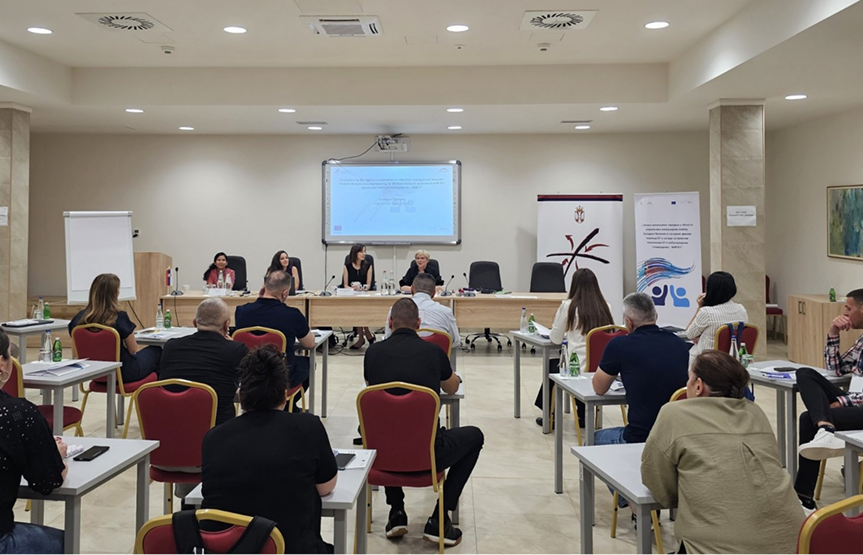
Capacity of the Migration Training Centre

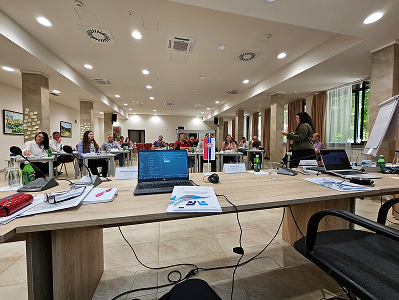
The Migration Training Centre features a conference hall with a capacity of up to 150 people, a large room for up to 80 people (which can be divided into two smaller rooms), training rooms for up to 20 people each (one equipped with computers) and Distance learning systems and video conferencing capabilities. In addition, the Centre is equipped with simultaneous interpretation equipment, projectors, and smart boards. The facility can accommodate 85 participants and supports the organization of parallel training sessions and events. The Centre also operates an online platform that consolidates all relevant migration-related information and provides access to digital training modules.
Funding for these training activities is secured through the budget of the Republic of Serbia, as well as through donations and other legally defined sources.
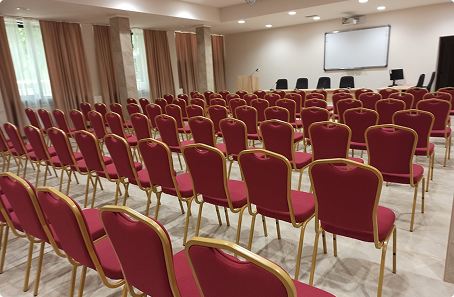
Conference Hall
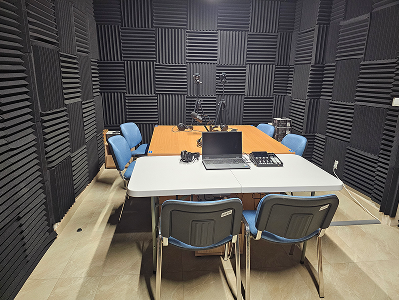
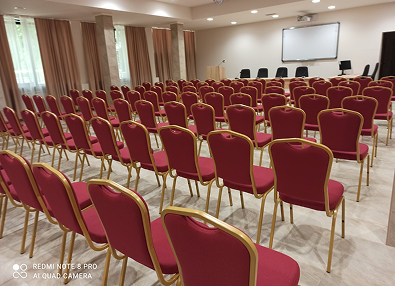
A conference hall with a capacity of up to 150 people, equipped with simultaneous interpretation system, projectors, surround sound, smart boards, video conferencing equipment, and an audio-video control room.
Training Rooms
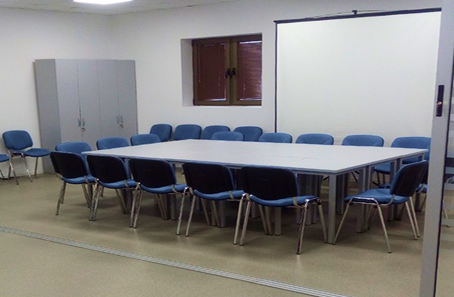
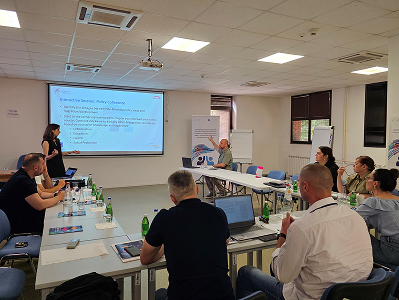
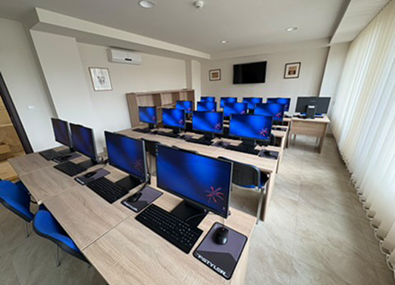
A large training room with a capacity of up to 80 people (which can be divided into two smaller rooms), and three small training rooms with a capacity of up to 20 people each, all equipped with computers.

Accommodation Facilities
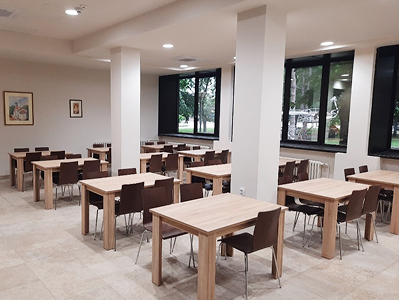
The Training Centre also offers accommodation for participants, with a total of 85 available beds, ensuring a comfortable and convenient stay during training sessions.
Regional Migration Training Centre
About the Migration Training Centre
Regional Migration Training Centre: Strengthening Regional Capacities through the MIRCO Project
Within the framework of the project “Strengthening the Regional Cooperation on Migration Management between Western Balkans and Neighbouring EU Member States in Accordance with EU Acquis and International Standards – MIRCO”, the Commissariat for Refugees and Migration’s Migration Training Centre has received significant support to enhance its capacity-building activities across the Western Balkans region.
The project, co-funded by the European Union and contracted by ICMPD through the Migration Partnership Facility, is implemented by the Swedish Migration Agency (Kingdom of Sweden) as the Lead Partner, in close cooperation with the Commissariat for Refugees and Migration of the Republic of Serbia, as the Co-beneficiary. It runs during the period 2024–2026.
Through this initiative, the Migration Training Centre has been upscaled to a Regional Migration Training Centre, transforming it into a regional hub for training and knowledge exchange in the fields of migration management and asylum. The project has contributed to strengthening the Centre’s technical and digital capacities, including the development of a new website featuring a comprehensive E-learning platform and E-library, which provide new opportunities for skills development and continuous learning for migration stakeholders across the region. Besides the Commissariat for Refugees and Migration of the Republic of Serbia, the Ministry of Interior of North Macedonia, the Ministry of Interior of Montenegro, and the Ministry of Security of Bosnia and Herzegovina are the main regional partners contributing to the upscaling of the Regional Migration Training Centre.
Migration management and mixed migration flows involving various categories of migrants have created the need to establish a Migration Training Centre that would consolidate, systematize, and make available training programs and relevant information covering all aspects of migration flows we face today.
The Migration Training Centre was established in accordance with Article 13 of the Law on Migration Management, which stipulates that the Commissioner for Refugees and Migration must provide training and capacity-building for individuals working in the field of migration management.
To maintain the quality of services provided to different categories of migrants, it is necessary to continuously ensure an adequate number of qualified personnel. The Plandište Training Centre creates institutionalized conditions for knowledge transfer and training through the development of tailored training modules and the establishment of cooperation with competent authorities, local self-government units, organizations, universities, and institutions both domestically and abroad.
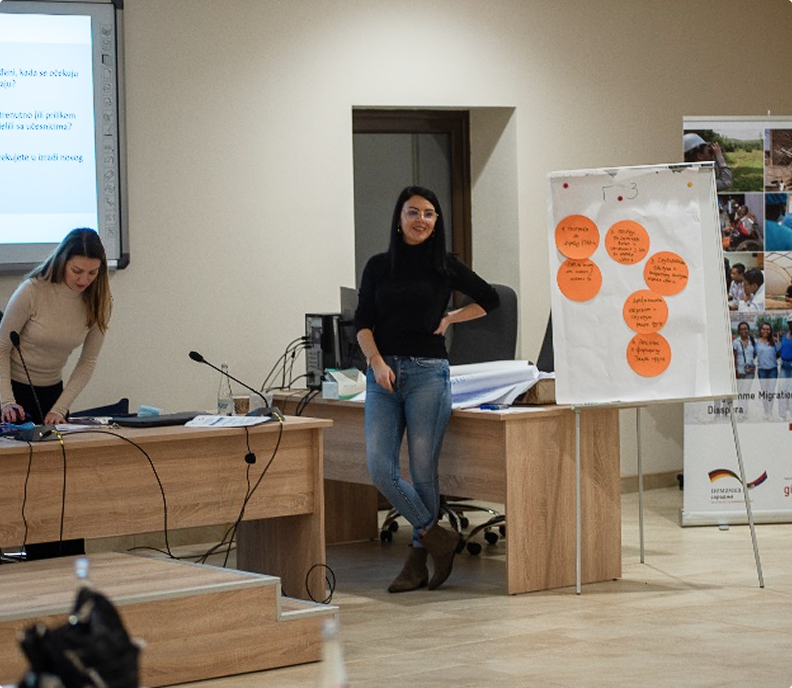
The Commissioner for Refugees and Migration, as the institution responsible for implementing the Law on Migration Management, possesses the personnel, knowledge, experience, capacities, and mechanisms to transfer this knowledge to others. Over the years, collaboration has been established with other competent authorities, international organizations, civil society organizations, the academic community, and experts from the country and region who have participated in the development and implementation of training programs and relevant events, thereby enhancing the quality of available training and information.
Today, the Plandište Training Centre provides significant support to employees who come into contact with various categories of migrants, as well as to all other interested parties, the academic community, researchers, media, and other individuals with an interest in migration.
By expanding the capacities and programs available at the Migration Training Centre and establishing regional cooperation, programs, training, and events focused on migration management have become accessible to a wider region.
Through the exchange of experiences, strengthening cooperation, and involving the most prominent global and regional experts, conditions are created to improve migration management practices in the countries of the region and beyond through specialized training and relevant events.
Centre in numbers
56 training sessions
925 participants
50 trainers
The Migration Training Centre was established within the project “Support to the Enhancement of Migration and Asylum Management in Serbia,” implemented by the International Organization for Migration (IOM) with the support of the British Embassy from 2017 to 2019. The project provided support to the Commissioner for Refugees and Migration in the initial phase of establishing the Training Centre. The goal was to create a sustainable structure that could offer quality training in one place, support the development of strategic documents and plans, and utilize modern technologies and applications.
The Migration Training Centre has enabled the international recognition of practices and experiences developed by the Republic of Serbia over the past 30 years in working with refugees, displaced persons, asylum seekers, and other categories of migrants, which can be useful for other crisis areas. At the same time, through international cooperation, it has promoted good practices and policies present in the region and beyond.
Training programs
From 2018 to 2025, the Migration Training Centre has trained 925 participants through 56 training programs in areas relevant to migration management, including 276 representatives of local self-government units. In addition to training, a significant number of workshops, conferences, and lectures on migration have been held.
The Commissioner for Refugees and Migration of the Republic of Serbia has received accreditation from the National Academy of Public Administration to implement professional development programs in public administration. The accreditation was awarded on January 8, 2025, and covers the following areas: human rights protection, data confidentiality, and social activities.
Under this prestigious accreditation, the Commissioner will implement training programs at the now-accredited Plandište Training Centre, enabling professionals working in migration management to enhance their knowledge and skills. The training is primarily intended for employees in state and local government, international organizations, non-governmental organizations, as well as students who wish to expand their knowledge in migration. This accreditation represents a significant step in the continuous improvement of the capacities of professionals in migration and human rights protection, contributing to the strengthening of professional standards in public administration.
Digital Regional Training Centre on Migration for the Western Balkans Countries
As part of the project “Strengthening regional cooperation on migration management between the Western Balkans and neighbouring EU Member States in accordance with EU acquis and international standards – MIRKO”, in the period from 2024-2026, the Migration Training Centre has been upgraded into a digital Regional Training Centre on Migration, transforming it into a regional hub for training and knowledge exchange in the areas of migration management and asylum.. The project has contributed to strengthening the technical and digital capacities of the Centre, including the development of a new website with a comprehensive e-learning platform and e-library, providing new opportunities for skills development and continuous learning for stakeholders in the field of migration in the region. The project, co-funded by the European Union and contracted by ICMPD through the Migration Partnership Facility, is implemented by the Swedish Migration Agency as Lead Partner, in close cooperation with the Commissariat for Refugees and Migration of the Republic of Serbia, as Co-beneficiary. In addition to the Commissariat for Refugees and Migration of the Republic of Serbia, the main regional partners are the Ministry of Interior of North Macedonia, the Ministry of Interior of Montenegro, and the Ministry of Security of Bosnia and Herzegovina, who contribute to the enhancement of the Regional Training Centre on Migration.
The e-learning platform of the Regional Centre offers a modern, user-friendly digital space tailored to the needs of project beneficiary institutions and partners in the Western Balkans. It plays a key role in strengthening institutional capacities and fostering cooperation in the field of migration and asylum management in the Western Balkans region.
Capacity of the Migration Training Centre
The Migration Training Centre has a conference hall with a capacity of up to 150 people, a large hall with a capacity of up to 80 people (which can be divided into two smaller halls), and three smaller classrooms with a capacity of up to 20 people each, one of which is equipped with computers. Distance learning systems and video conferencing are also available. Additionally, the centre is equipped with simultaneous interpretation equipment, projectors, and smart boards. The facility can accommodate 85 participants and has the capacity to organize parallel training sessions and events. Within the Training Centre, an online platform has been established that consolidates all relevant migration-related information, as well as an e-learning platform offering digital training programs.
Funding for these training programs is provided from the budget of the Republic of Serbia, donations, and other sources defined by law and other regulations.

Conference hall
Our fully equipped conference room accommodates up to 150 people and features simultaneous translation, HD projectors, surround sound, smart boards, video conferencing, and an audio-video control room for a seamless event experience.
Training space
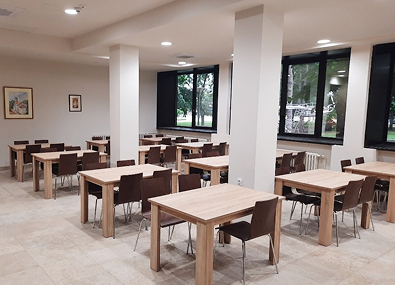
Large hall with a capacity of up to 80 people (which can be divided into two smaller rooms) and three classrooms with a capacity of up to 20 people each, all equipped with computers.
Accomodation
The training centre also offers on-site accommodation for participants, with a total of 85 beds available to ensure comfort and convenience throughout the duration of the event.